How Blockchain Settlement Times Shape Progressive Jackpot Access in France's Licensed Mobile Slot Tournaments
Écrit par Elena Perry · 5/11/2026
How Blockchain Settlement Times Shape Progressive Jackpot Access in France's Licensed Mobile Slot Tournaments
Blockchain Settlement Basics in Regulated French Gaming
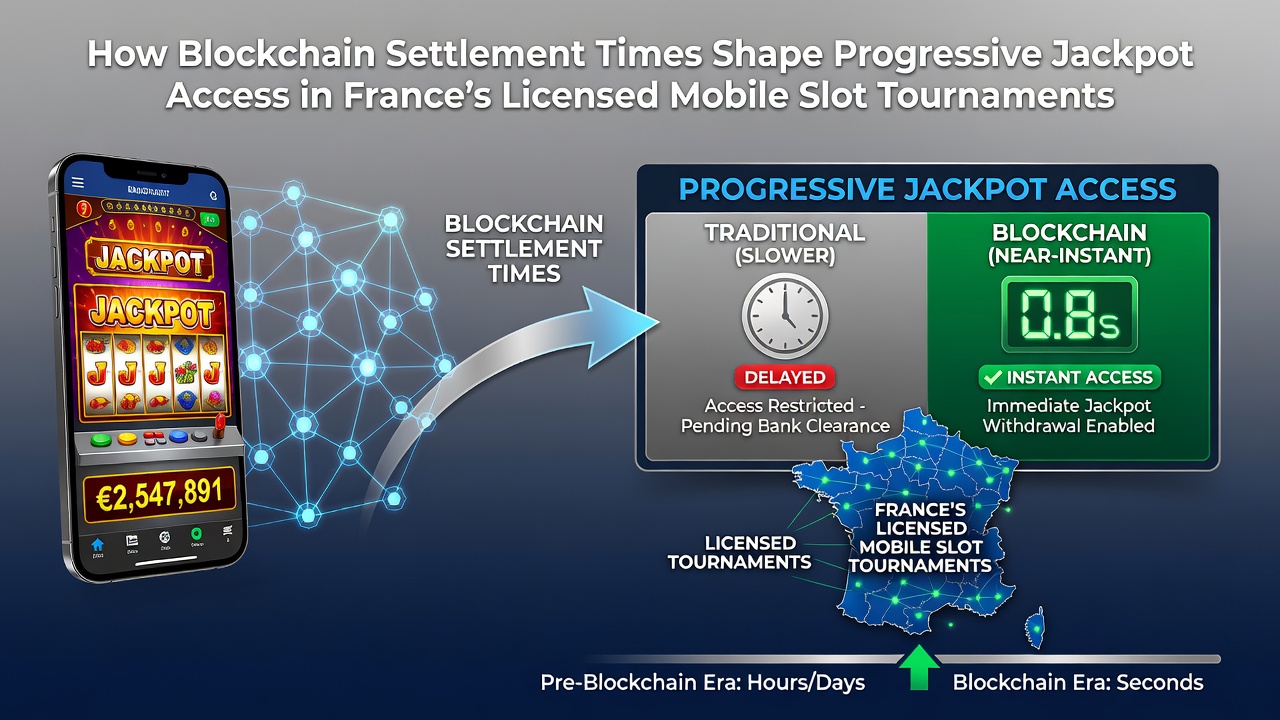
France maintains strict oversight of online gambling through the Autorité Nationale des Jeux, which authorizes specific operators to offer mobile slot tournaments that include progressive jackpots funded across multiple participants. Blockchain settlement times refer to the duration required for transaction confirmations on networks such as Bitcoin or Ethereum, and these intervals directly influence when prize pools become accessible after a win occurs. Data from network analytics platforms shows Bitcoin averages ten minutes per block while layer-two solutions on Ethereum can reduce effective times to under two minutes in optimized conditions.
Operators integrate cryptocurrency options only after compliance checks that align with French licensing structures, and settlement delays can postpone the release of progressive jackpot funds until sufficient confirmations register on the chain. Researchers tracking transaction data note that slower networks create bottlenecks during high-volume tournament periods when multiple players trigger jackpot contributions simultaneously.
Progressive Jackpot Mechanics and Timing Dependencies
Progressive jackpots in licensed mobile slots accumulate from small percentages of each wager, forming shared pools that reset after payouts and grow again through continued play across French-regulated platforms. Access to these pools requires verification that a winning spin meets tournament criteria, after which blockchain-based withdrawals must clear settlement thresholds before funds reach player wallets. Studies from European research institutions indicate that networks with longer confirmation windows extend the gap between jackpot trigger and actual receipt, particularly when mobile apps enforce additional security layers for large transfers.
One documented pattern involves operators pausing jackpot claims until three to six confirmations complete, a practice that protects against chain reorganizations while complying with regulatory requirements for verifiable payouts. This approach affects tournament scheduling because players cannot immediately reinvest winnings into subsequent rounds if settlement remains pending.
Regulatory Framework and Network Integration
French licensing rules require that all payment methods, including blockchain options, undergo approval processes that evaluate speed, security, and auditability before deployment in mobile environments. The European Commission has published reports on digital asset usage in gambling that highlight how settlement variability influences operational timelines across member states. Operators in France adapt by selecting networks with predictable confirmation rates or by implementing hybrid systems that combine on-chain settlement with off-chain processing for interim access.
Figures from industry monitoring groups reveal that tournaments scheduled for late 2026 will incorporate updated blockchain protocols designed to shorten average settlement from fifteen minutes to under five minutes on selected chains. These adjustments aim to synchronize jackpot distribution with real-time tournament leaderboards, reducing instances where confirmed wins remain inaccessible during active play windows.
Impact on Player Participation and Tournament Flow
Settlement durations shape participation rates because players factor potential delays into decisions about entering high-stakes mobile tournaments. When confirmation times extend beyond standard intervals, some participants delay additional deposits or shift to non-blockchain payment rails that clear faster under the same licensing conditions. Observers tracking French market data note that networks achieving sub-minute settlements correlate with higher repeat entry volumes during progressive jackpot events.
Case examples from licensed operators demonstrate that integrating faster consensus mechanisms allows jackpot access within minutes rather than hours, maintaining engagement across multi-round tournaments. Regulatory filings indicate that these timing factors receive explicit review during license renewals to ensure fair and transparent prize distribution.
Technical Adaptations Across Licensed Platforms
Developers working within French mobile gaming ecosystems optimize smart contract parameters to trigger jackpot releases only after predefined confirmation thresholds, balancing speed against security needs. Academic papers on distributed ledger applications in gaming environments show that variations in block interval and network congestion directly alter the window between a winning outcome and fund availability. Operators respond by monitoring real-time chain metrics and routing transactions through networks that currently exhibit lower latency.
November 2026 marks the anticipated rollout of enhanced interoperability standards for several licensed platforms, allowing seamless switching between settlement layers while preserving compliance with national gaming statutes. These standards address common bottlenecks that previously extended access times for progressive prizes accumulated across international player pools.
Conclusion
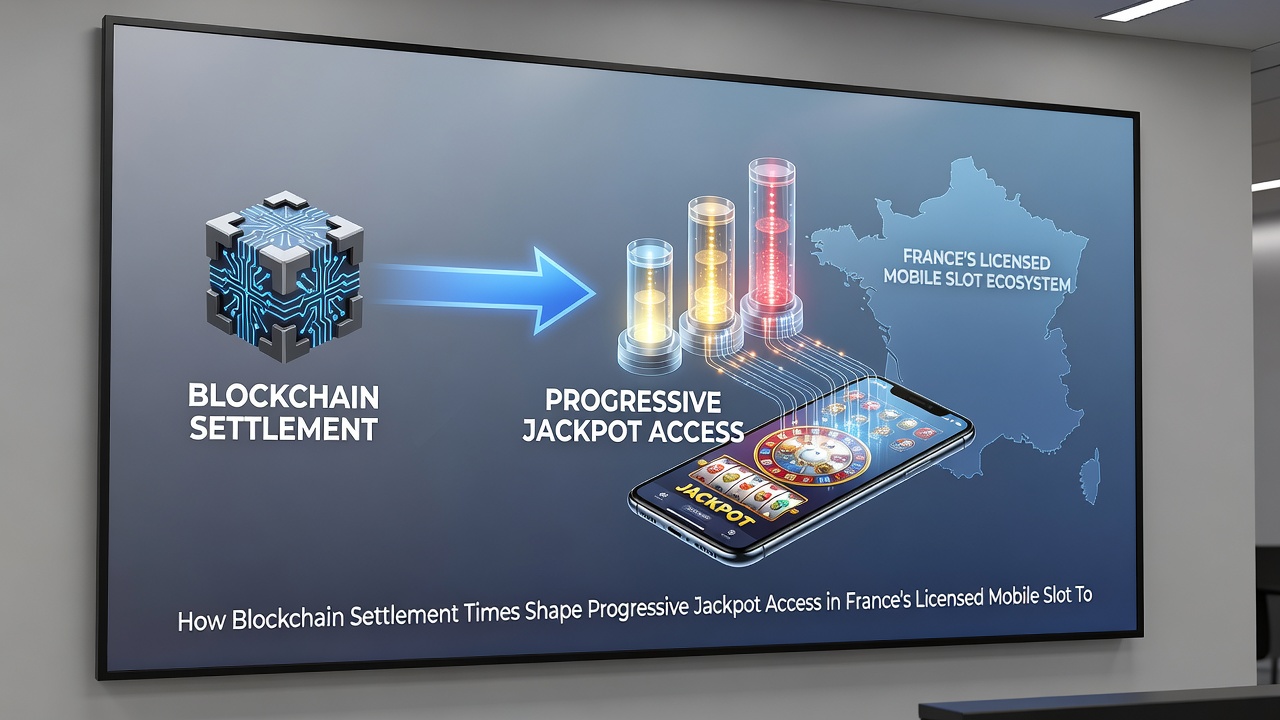
Blockchain settlement times remain a central variable in how progressive jackpots function within France's licensed mobile slot tournaments. Network characteristics, regulatory approvals, and operator configurations collectively determine the interval between a jackpot trigger and player access to funds. Continued evolution in confirmation technologies, paired with scheduled updates in late 2026, continues to refine these processes under existing licensing frameworks. Data from multiple monitoring sources confirms that shorter, more consistent settlement windows support smoother tournament operations and broader participation across regulated channels.