Decoding How French Licensing Rules Shape Bitcoin Payout Speeds in Mobile Live Dealer Slots
Écrit par Elena Perry · 10/9/2026

Decoding How French Licensing Rules Shape Bitcoin Payout Speeds in Mobile Live Dealer Slots
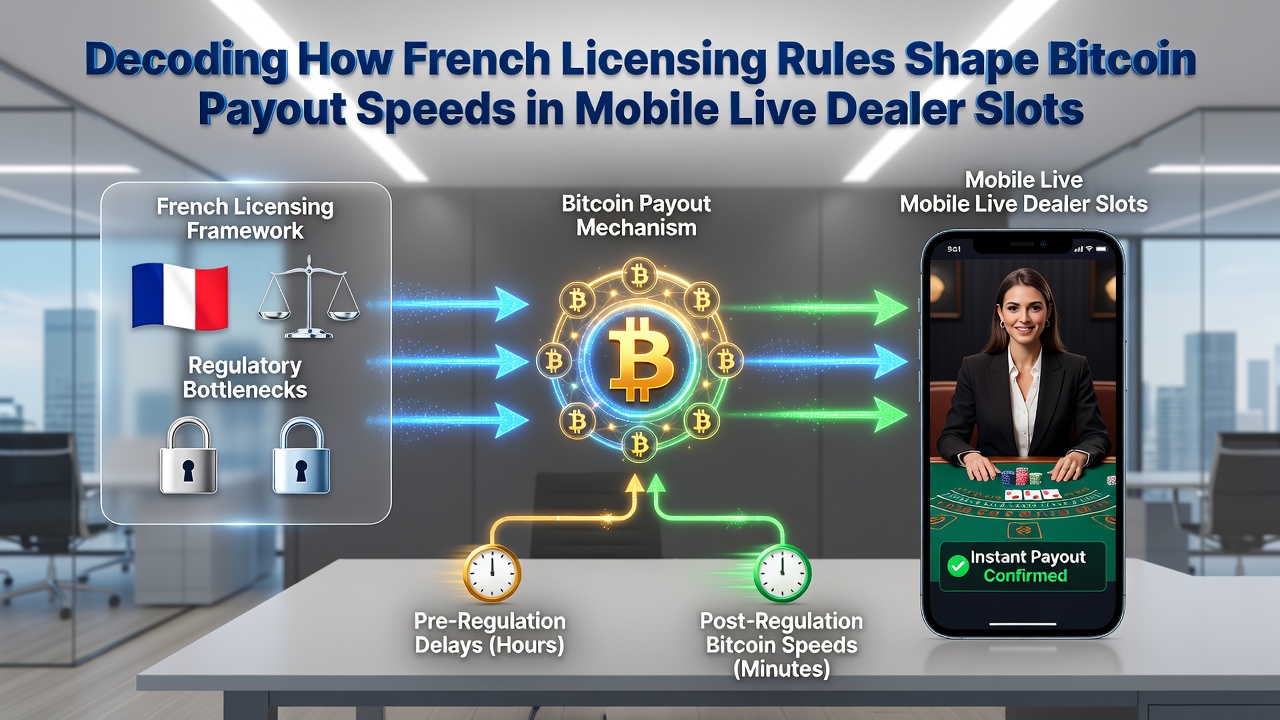
French licensing requirements administered through the Autorité Nationale des Jeux impose structured compliance layers that directly influence how operators handle Bitcoin withdrawals from mobile live dealer slots, and these rules create specific timelines for transaction processing that differ from less regulated markets. Operators must integrate anti-money laundering checks and identity verification protocols before releasing funds, which extends the interval between a player's request and actual Bitcoin transfer.
Core Elements of French Casino Licensing
Licensed platforms operating mobile live dealer slots in France follow detailed guidelines that mandate real-time monitoring of cryptocurrency flows, and this framework requires documentation of wallet addresses along with source of funds declarations that slow down automated payout sequences. Data from regulatory filings shows that these steps typically add between 24 and 72 hours to standard Bitcoin confirmation periods because each transaction undergoes manual review by compliance teams.
AML and KYC Integration Points
Every Bitcoin payout must pass through centralized verification systems that cross-reference player activity against national databases, while operators deploy software that flags unusual withdrawal patterns for additional scrutiny before the network broadcast occurs. Research indicates that platforms handling live dealer games experience higher volumes of micro-transactions, which triggers more frequent reviews under current French rules and extends average settlement times compared to traditional fiat methods.
Technical Adjustments in Mobile Environments
Mobile applications for live dealer slots incorporate built-in wallet connectivity features that align with licensing mandates, yet these integrations still route requests through secure gateways that enforce sequential approval stages. Observers note that operators have introduced batch processing techniques during peak hours to manage the regulatory load, allowing multiple Bitcoin requests to queue while each undergoes individual compliance validation without violating speed thresholds set by the licensing authority.
September 2026 marks the scheduled rollout of enhanced digital asset reporting requirements that will require operators to submit aggregated transaction data to regulatory portals within tighter windows, and this change is expected to prompt further automation investments across the sector. Platforms already testing updated protocols report reduced manual intervention times in preliminary trials, though full effects remain pending official implementation.
Comparative Processing Timelines
Studies compiled by European gaming associations reveal that French-licensed mobile operators achieve median Bitcoin payout completion within 48 hours after initial approval, whereas unlicensed or offshore alternatives often clear transfers in under six hours because they bypass layered verification. This gap stems directly from licensing conditions that prioritize consumer protection measures over transaction velocity, creating a predictable but slower pathway for players using live dealer slots.
Wallet and Network Considerations
Bitcoin network confirmations remain independent of regulatory overlays, but French rules require operators to withhold release until internal audits conclude, which means even six-block confirmations do not trigger immediate player access. Those who have examined operator reports find that multi-signature wallet setups mandated for licensed entities add another layer of internal routing that extends the overall cycle by several hours on average.
Industry reports from the OECD highlight similar patterns across EU member states with comparable licensing regimes, where cryptocurrency payout speeds in regulated mobile gaming environments consistently trail behind unregulated counterparts by measurable margins. French operators counterbalance this through transparent communication of expected timelines and by offering players status updates at each compliance checkpoint.
Conclusion
French licensing rules establish a clear sequence of verification and reporting obligations that shape Bitcoin payout speeds in mobile live dealer slots into a measured process measured in days rather than minutes. Data from regulatory sources and industry analyses confirm that these structures prioritize oversight at the expense of speed, while ongoing technological adaptations prepare the sector for upcoming changes in September 2026. Players and operators alike navigate these constraints through documented procedures that maintain compliance while delivering funds according to established schedules.